by Sophie Ellison
Adam and Eve wore sheepskin.
Chinese royalty wore silk.
Colonial settlers wore linen.
Your great grandma wore cotton.
We wear… plastic?
Throughout history, we can look back at the progression of fibers and cloth that varied based on location and resources. While some were reserved for the rich, some adorned the common man. They all had one thing in common, however: they were made from natural materials cultivated directly from animals and plants. That is until the 1930s, when synthetic fibers began to rapidly pop up.
Synthetic fibers are completely man-made materials that undergo chemical processes to create cheap, mass produced clothing, bedding, furniture, rugs, etc. These fibers are often petroleum based and can be abundant in microplastics, BPA, PFAS, phthalates, and other nasties. Their toxic byproducts have been linked to endocrine disruption, neurotoxicity, reproductive issues, immune effects, and environmental harm.
Synthetic fibers include, but are not limited to:
polyester
spandex
elastane
nylon
rayon (semi-synthetic)
acetate
polypropylene
olefin
acrylic
lyocell
microfiber
aramid
modal (semi-synthetic)
viscose (semi-synthetic)
On the other hand, the tried and true natural fibers can be found in nature and do not require such intensive and hazardous processing. Not only are they more supportive to your health, but they are generally more beautiful, breathable, moisture-wicking, thermoregulating, and longer lasting.
Natural fibers include:
cotton (organic is best!)
linen (made from flax)
silk (made from silkworms)
wool (made from sheep/lamb/merino; goat/cashmere/mohair; alpaca; rabbit/angora)
leather (made from cowhide, sheepskin, goatskin, etc.)
hemp (made from hemp stalk)
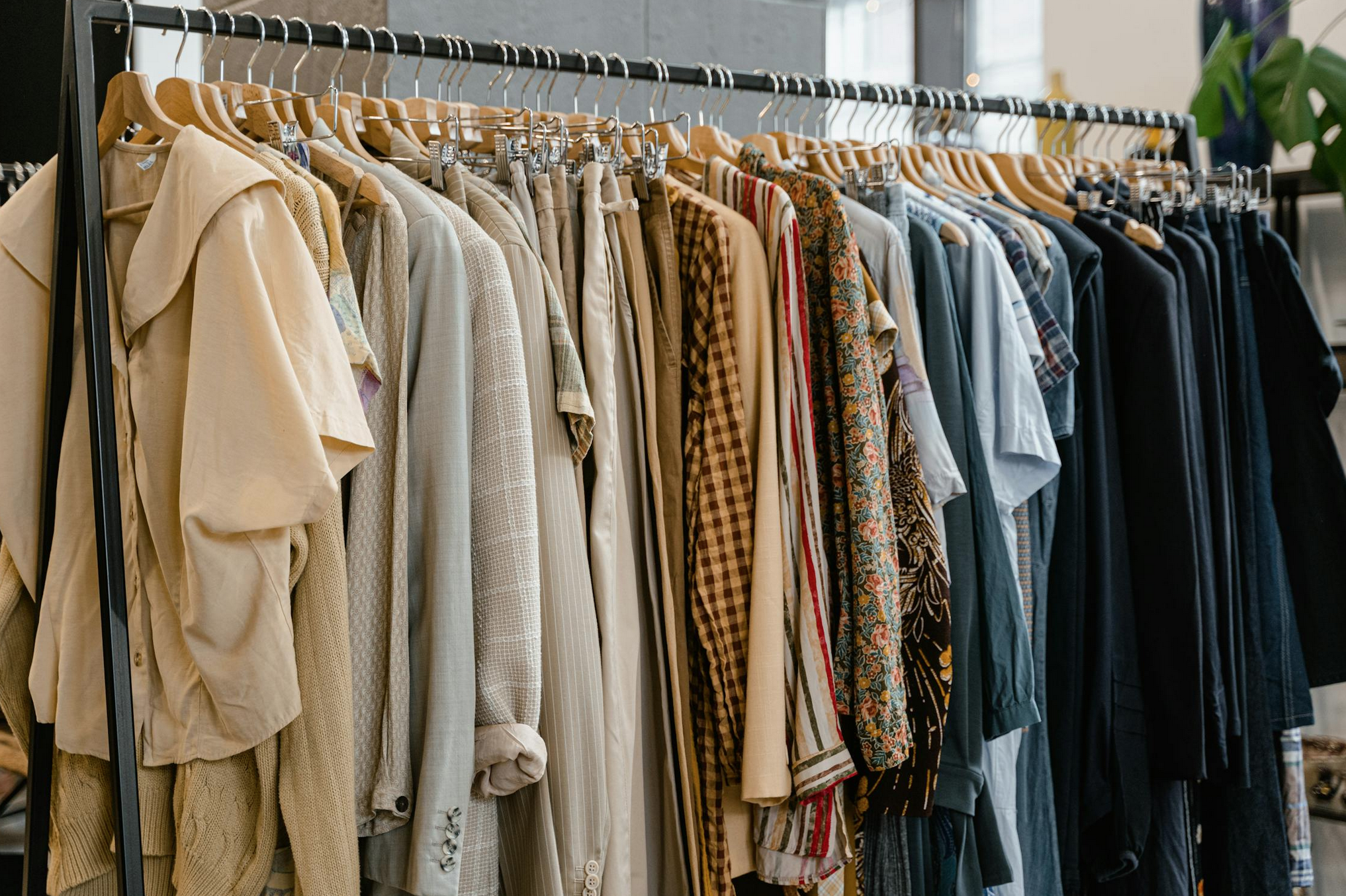
Switching to natural fibers can be a daunting and expensive task. When starting your journey to natural fibers, it’s okay to go slow, beginning with what your skin is in contact with most such as intimates and underclothes. Then, as your synthetics wear out, make the conscious choice to replace them with higher quality, natural fiber pieces. The transition can be easy and affordable if you are intentional about every new purchase, one at a time.
Some places to find 100% natural fiber clothing and home textiles are Quince, Pact, Nads, Ryker, Burts Bees Baby, Maggie’s Organic (on Azure!), Etsy, Old Navy, Target, TJ Maxx, Marshall’s, and second hand stores. Have fun treasure hunting and read those fiber content labels!