by Sophie Ellison
Many of us are familiar with the phrase “eating nose-to-tail”. This refers to the practice of consuming the entire animal - organs, bones, fat, and skin, not just the prime muscle cuts. However, it’s clear that our culture’s eating habits have strayed away from this approach, opting for boneless, skinless chicken breast or a classic New York strip. And while these animal products are absolutely part of a healthy diet, many people are missing out on incredible nutrition from the rest of the animal. There are so many functional benefits to eating collagen, gelatin, and gelatinous cuts.
Let’s break this down. What are these functional foods?
Collagen
Collagen is the most abundant protein in the human body. It forms the structural framework of our skin, joints, tendons, ligaments, bones, blood vessels, and gut lining.
Gelatin
Gelatin is made from collagen that has been gently cooked. This process helps collagen’s amino acids (the molecules that form proteins) become highly bioavailable and digestible.
Glycine
Glycine is the main amino acid in collagen. Dare I say it, but I think glycine is my favorite amino acid (don’t tell lysine!). Glycine is acclaimed as the anti-aging amino acid. It lowers cortisol, calms the nervous system, and builds collagen.
Muscle meat is abundant in excess methionine, cysteine, and tryptophan, amino acids that have been found to accelerate aging and oxidative stress in isolation. Glycine, as well as proline, alanine, and hydroxyproline, all play a balancing role by literally clearing excess methionine.
What are the benefits of consuming collagen, gelatin, & glycine?
1. Gut Health
These animal products reduce inflammation and support nutrient absorption by healing and sealing the digestive system.
2. Skin Health
We all want plump, hydrated, elastic skin, and stronger, shinier hair and nails. What are the building blocks for these things? Collagen. As we age, the body’s production of these building blocks decreases. However, it is entirely possible to help promote and support production.
3. Joint, tendon, & ligament health
Whether you’re a marathon runner or a mom lifting your growing toddler, your body is constantly working to rebuild and repair its connective tissues. We need collagen to regenerate cartilage, cushion and lubricate joints, and protect our tissues from injury.
How to incorporate more collagen into your diet
Accessing all these amazing benefits from collagen is really quite simple and can be very inexpensive.
1. Gelatinous cuts
Incorporate more slow-cooked gelatinous cuts such as oxtail, shank, shoulder, cheek, chuck roast, short ribs, and stewed whole chicken/turkey. These cuts are often considered “low quality meat”. While this is a shame, luckily for us, it also means that they are often cheaper than the prime cuts such as ribeye and filet mignon. Fun fact: ground beef is also highly nutritious due to the small pieces of tendons and ligaments that are often ground in.
2. Meat & bone stocks
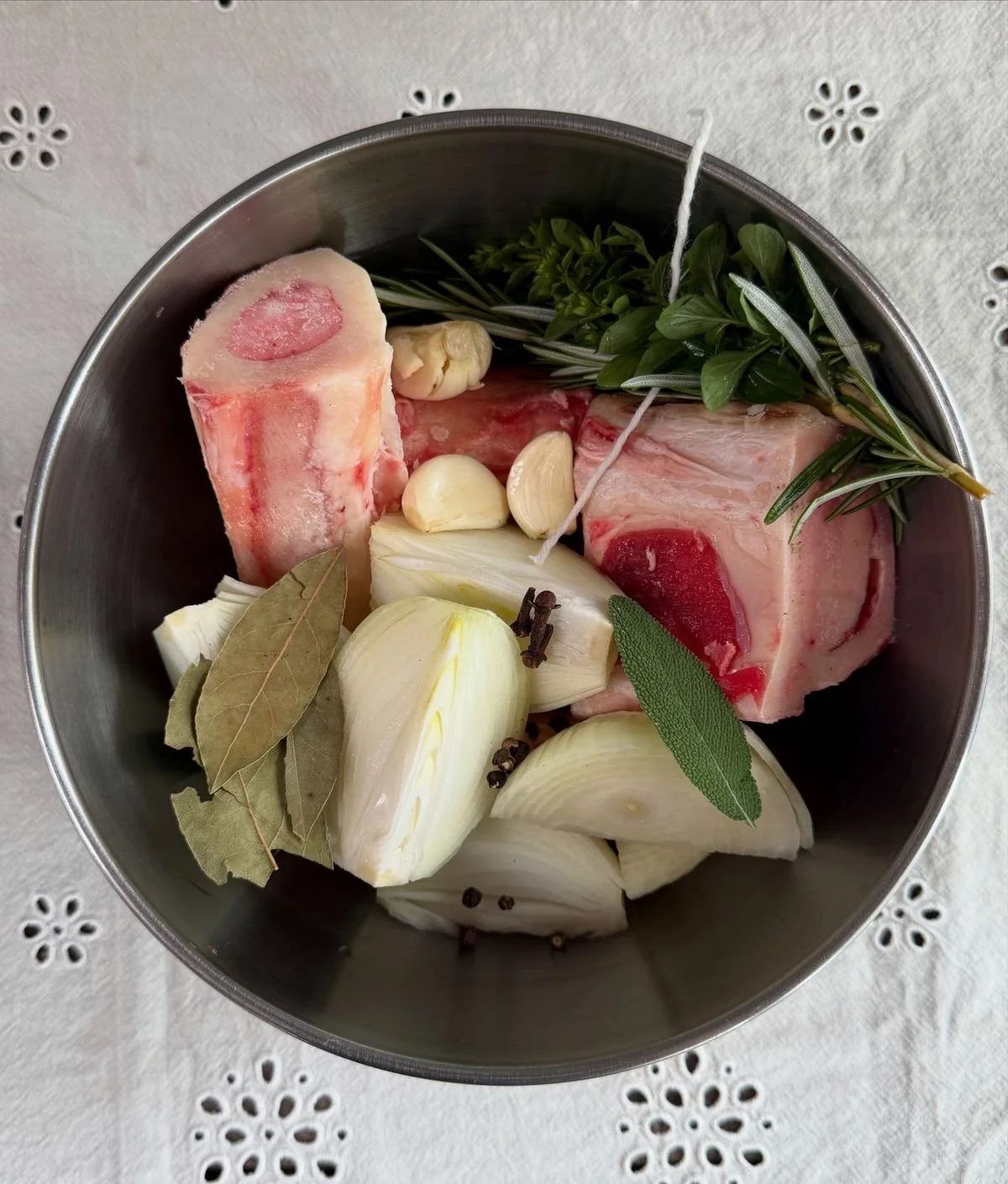
Stock is made with bones, meat, and those amazing connective tissues. Broth is typically made with just bones. Both are amazing, but when looking for those collagen benefits, opt for stock. Homemade stock is best and easy to make by simmering beef joints, knuckle and marrow bones, leftover chicken carcass, and/or chicken feet, wings, and necks etc. for 6-24 hours on the stovetop or 2 hours in a pressure cooker. Add a splash of apple cider vinegar before cooking, then strain the bones from the liquid when finished cooking. You know you have a rich, gelatin-packed stock when it turns into a thick, jiggly gel when cooled.
Sip warm with sea salt, use in soups & stews, sauces & gravies, and use instead of water when cooking rice, pasta, or mashed potatoes.
3. Collagen, gelatin, & glycine powders
Supplementing with powders can be an easy way to sneak more nutrition into your day. Collagen powder dissolves in anything and has a neutral taste. It’s easy to scoop into smoothies, coffee, yogurt, or baked goods. Gelatin powder is better bloomed and cooked, so it’s better to add it to soups/stews and desserts, but it can absolutely be mixed into yogurt or hot coffee as well. Our favorite ways to consume gelatin is through homemade marshmallows and gummies. Glycine powder can be supplemented as well. It dissolves like sugar and also has a sweet taste making it an easy addition to your supplement routine.
Powders are helpful when whole food sources aren’t easily accessible, but traditional foods remain superior.
"The degenerative and inflammatory diseases can often be corrected by the use of gelatine-rich foods" - Dr. Ray Peat, an icon in the world of metabolic health. He brought to light our need for prioritizing and diversifying protein sources and balancing amino acids. So yes, keep eating those chicken breasts and grilled steaks, and throw in some scrappy cuts and jelly stocks into the mix as often as you can!
Sources:
https://www.connealymd.com/glycine-a-key-player-in-cancer-prevention-and-cellular-health/