by Sophie Ellison
Improving Indoor Air Quality
In order to survive, humans require water, food, shelter from the elements, sleep, and air. These are the basic human requirements (although I know some people who would add coffee and chocolate to the list!) If these are the core essentials of survival, they probably each deserve some level of forethought and effort. However, one of these essentials is often overlooked - our air.
Not all air is created equal, especially indoor air versus outdoor air. It is estimated that indoor air is 5-10 times dirtier than outdoor air. It is also approximated that us moderns spend 90% of our time indoors. Everything from paints, cleaners, candles, cooking, gas stoves, and off-gassing from furniture can contribute to the toxic load in our indoor air. Our homes can quickly build up dust, dander, bacteria, allergens, mold, excess carbon monoxide emissions, and volatile organic compounds (VOCs), which can affect not only our physical health and respiratory systems but also our mental health, cognition, and clear thinking.
What are ways that we can improve our indoor air to support healthier, happier lives?
Opening Windows
One of the most effective ways to support healthy indoor air is to open windows and doors every day. The Germans have had this standard practice for years (they even have their own word for it, “Lüften”), while Americans are just now catching onto the idea. No matter the weather or time of year, airing out your home for 10-15 minutes a day can dramatically improve the air quality of your home. Some refer to this practice as “burping” your home. Think of air like water. When you see still water in nature, you know this water likely has more contaminants, more potentially harmful bacteria, and is probably not healthy to consume. When you see moving water, you can assume that there are generally fewer contaminants and bacteria, and you feel better about its cleanliness. The concept is similar for air — stagnant air is dirtier, flowing air is cleaner. Frequently opening up your home is so refreshing, and it’s free!
Plants
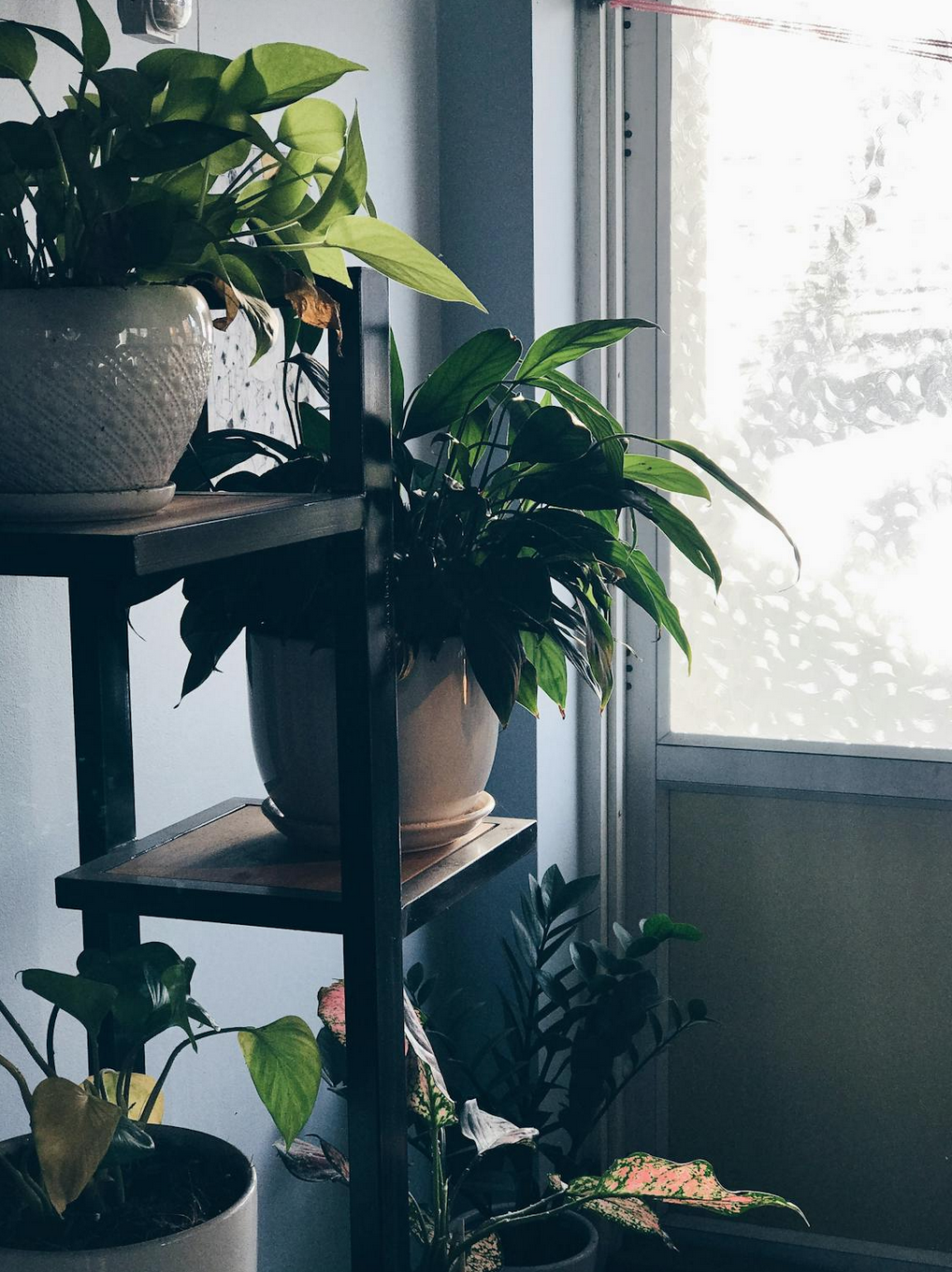
Houseplants have been found to aid in removing pollutants from the air through a process called phytoremediation. One of the most common air pollutants we find indoors is nitrogen dioxide (NO2). Common symptoms of high NO2 levels include a scratchy feeling in the nose, throat, or eyes, coughing, shortness of breath, wheezing, asthma, headaches, and fatigue. Indoor plants have been found to reduce NO2 levels by up to 20%. However, their impact is definitely minimal. The recommendation is utilizing 2 large plants or 10 smaller plants per 100 square feet of living space to effectively reach these helpful levels of phytoremediation. That’s a lot of green!
Here’s a list of the most effective air-purifying plants:
Spider Plants (Chlorophytum comosum)
Philodendrons
English Ivy (Hedera helix)
Peace Lily (Spathiphyllum sp.)
Variegated Snake Plant (Sansevieria trifasciata)
Bromeliads
Dracaena
Weeping Fig (Ficus benjamina)
Rubber Plants (Ficus elastica)
Areca Palms (Chrysalidocarpus lutescens)
Chrysanthemums
Chinese Evergreens (Aglaonema)
Reed or Bamboo Palms
Boston Ferns (Nephrolepis exaltata)
Aloe Vera (Aloe barbadensis miller)
Air Purifiers
Since recruiting that many plants is impractical for most of us, another great option for reducing dirty air is air purifiers. A good air purifier will filter out mold, pollen, pet dander, viruses, bacteria, and smoke. The most common types of air filters are HEPA (High-Efficiency Particulate Air) and carbon filters. HEPA filters can efficiently catch microscopic particles, up to 99.97% of particles as small as 0.3 microns. Carbon filters excel at eliminating gases, odors, harmful chemicals, and those pesky VOCs. Combining the two with a purifier such as the AirDoctor can make a big difference in your living environment. When introducing air purifiers into your home, it is recommended to prioritize the bedrooms since that is where we spend so many hours of our lives.
Vacuum Frequently
Another practical way to improve your indoor air quality is to habitually vacuum your carpets and floors. Carpets, rugs, and furniture are hot spots for accumulating microscopic waste. Everyday activities like walking and sitting can agitate the particles, sending them up into the air again for us to breathe in. Regular vacuuming with a HEPA filter vacuum helps break the cycle by extracting the debris and containing airborne pollutants.
Remove Shoes at the Door
Keeping your indoor air clean starts with what you choose to bring inside. What is one thing you (hopefully) always bring home with you? Your shoes. Our outdoor shoes are covered in carcinogens, bacteria, mold, PFAS (forever chemicals), viruses, pesticides, fertilizers, feces/urine, and vehicle exhaust particles. Whether you’re in the city or the country, you are stepping into a melting pot of muck. Removing your shoes at your front door ensures you minimize dispersing these contaminants throughout your beloved home. Adopting a no-shoes policy is better for your lungs and the toddling babies underfoot.
Avoid Synthetic Candles, Plug-Ins, Air Sprays, & Fragranced Cleaners
In the same vein, the household products you bring into your home could be doing more harm than good when it comes to cleaning your air. Fragrances may mask existing odors, but they are just adding to the toxin buildup in the air we breathe. Fragrances are the new secondhand smoke. They cause damage to our brains and bodies on a cellular level. We are bombarded with fragrances everywhere we go, so choosing to forgo them as much as possible in your home will exponentially reduce your exposure. Opt for fragrance-free cleaning products, beeswax candles, and simmer pots instead.
In an ideal world, our homes are an oasis away from the burdens of the outside. When we come home, we want to feel refreshed, restored, and safe. The air we breathe can support or sabotage our recovery from all the stresses we face. Fortunately, we don’t have to live in a stuffy box of irritants. There are simple ways to optimize physical and mental health, whether it’s through more ventilation or being more intentional about what you allow inside. It is estimated that we take 20,000 breaths a day, so make them as pure as possible.